
The Effects of a Brain-Based Learning Initiative

on Students' Ability to Self-Advocate

The Effects of a Brain-Based Learning Initiative on Students’ Ability to Self-Advocate

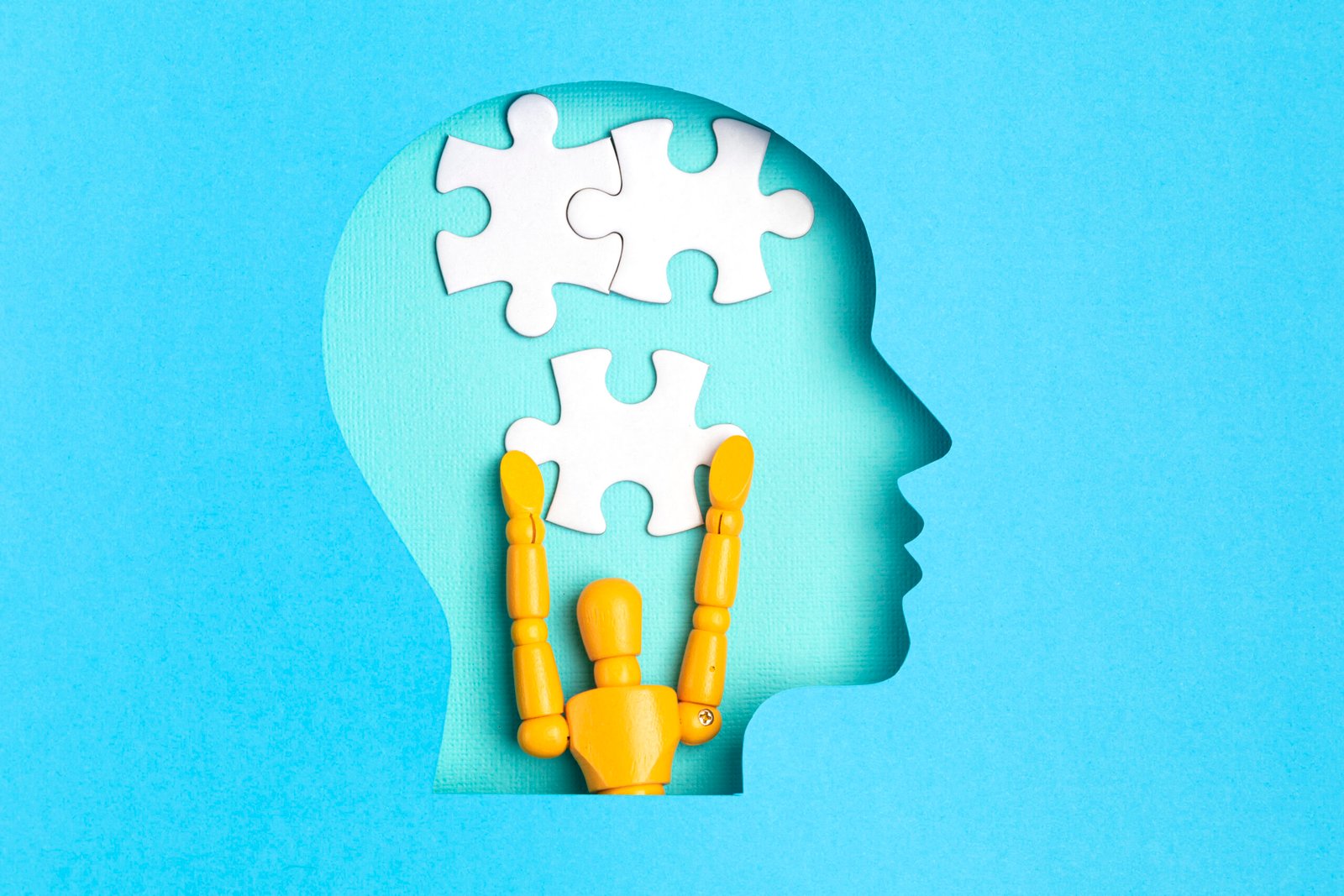
Brain-Based Learning Theory has been utilised when working with young individuals seeking to understand their skills, weaknesses, and action plans. It is critical to be as specific as possible; take the instance of gaining insight into strengths that include “being excellent in math facts”, weaknesses such as “managing dyslexia and reading challenges”, and strategies to facilitate, including “reading books aloud”.

To understand the developmental difficulties children may struggle with, researchers and therapists must first comprehend the divergence between biological theories and diagnostic categorisation on the one hand and students' realities on the other.

According to recent scientific research, using brain-based learning approaches is critical for improving education since it harnesses neuroscience principles for teaching methods, lesson designs, activity models, etc. Additionally, this mindset acknowledges that different brains need a variety of activities.

To illustrate – inhibiting poor habits or controlling explosive behaviour is inherent in this methodology and supports emotional regulation while boosting self-monitoring skills. Ultimately metacognitive domains empower problem-solving capacities such as working memory which aids with maintaining conversations even when collecting various bits of information at once.

This idea can reduce the gap between biological theories, diagnostic classifications and the actual reality for these children; it could also shape future investigations and medical treatments.

Brain-based teaching represents strategies, designs of classes, and school systems based on scientific discoveries regarding brain functioning while learning specific things – comprising of intellectual development – children’s activities change in dependence on their age, improvement and emotional socialisation as well as cognitive.

Additionally, using neuroscience to create applicable course plans and lesson systems connects with the frame of mind of brain-oriented studying: it continuously reminds instructors that each kid’s brain behaves differently and might respond better when exposed to particular activities.

Inhibition is part of this process: an unbalanced portfolio may result in aggressive actions or self-injurious behaviours disproportionate to the prompt – like an uncontrolled braking mechanism.

Moreover, our capacity to shift mental units facilitates flexibility; a theoretical deficiency can induce rigidity and recklessness in repeating thoughts or tasks. Also, overreaction or unstable mood might signal weak points in emotion regulation.

Self-monitoring plays an essential role, too, because it affords us direct feedback that helps regulate behaviour. Yet another significant area consists of metacognitive domains – these say something about problem-solving abilities through working memory, which allows keeping data ‘online’, which finally facilitates carrying out intended actions or conversations.

Watercolour Painting and Leaf Painting

The watercolour and leaf painting activity was very successful. Students worked in pairs and made colourful paintings using watercolours. With the help of their parents, they brought colors, palettes, brushes, and green leaves. Students who did not bring materials shared

Read More »

Academic activities

 Academic activities are a learning process in which all students in the classroom participate in activities specific to the subject. During these activities, worksheets are designed to suit the abilities and needs of all students, with tasks such as tracing,

Read More »

Teacher’s Feedback on Basic English Grammar Session

According to the support teacher, the Basic English Grammar sessions with Nidika Ma’am have been very helpful for the students. Children are now able to read and speak two- and three-letter words. They are also becoming more confident while using

Read More »

Christmas Celebration with Anushka

Students at Manovikas celebrated Christmas with great joy and happiness along with their loving volunteer, Anushka. The celebration was full of fun, learning, and togetherness. Anushka taught the students how to make a Christmas with colours. The students enjoyed the

Read More »
Manovikas School for Inclusion

A Grand Celebration of Academic Excellence: 11th Convocation Ceremony

The 11th Convocation Ceremony was organised with great enthusiasm and pride, celebrating the academic achievements of all students. The programme was planned to recognise and encourage learners from different educational streams, ensuring that every child felt valued and motivated. During

Read More »
Manovikas School for Inclusion

Inspiring Achievements: A Proud Moment of Special Awards

Along with the 11th Convocation Ceremony, special awards were also presented to school students to appreciate their outstanding achievements and talents. These awards aimed to motivate students and recognize their hard work, discipline, and all-round development. The Lal Advani Memorial

Read More »